How to Improve Mechanical Strength in Steel Castings
Mechanical strength in steel castings determines the performance and reliability of finished components across industries ranging from construction to marine applications. This article explores proven methods for enhancing tensile strength, impact resistance, and durability in steel casting processes. Understanding these techniques helps manufacturers produce components that meet demanding specifications while optimizing production costs and efficiency.
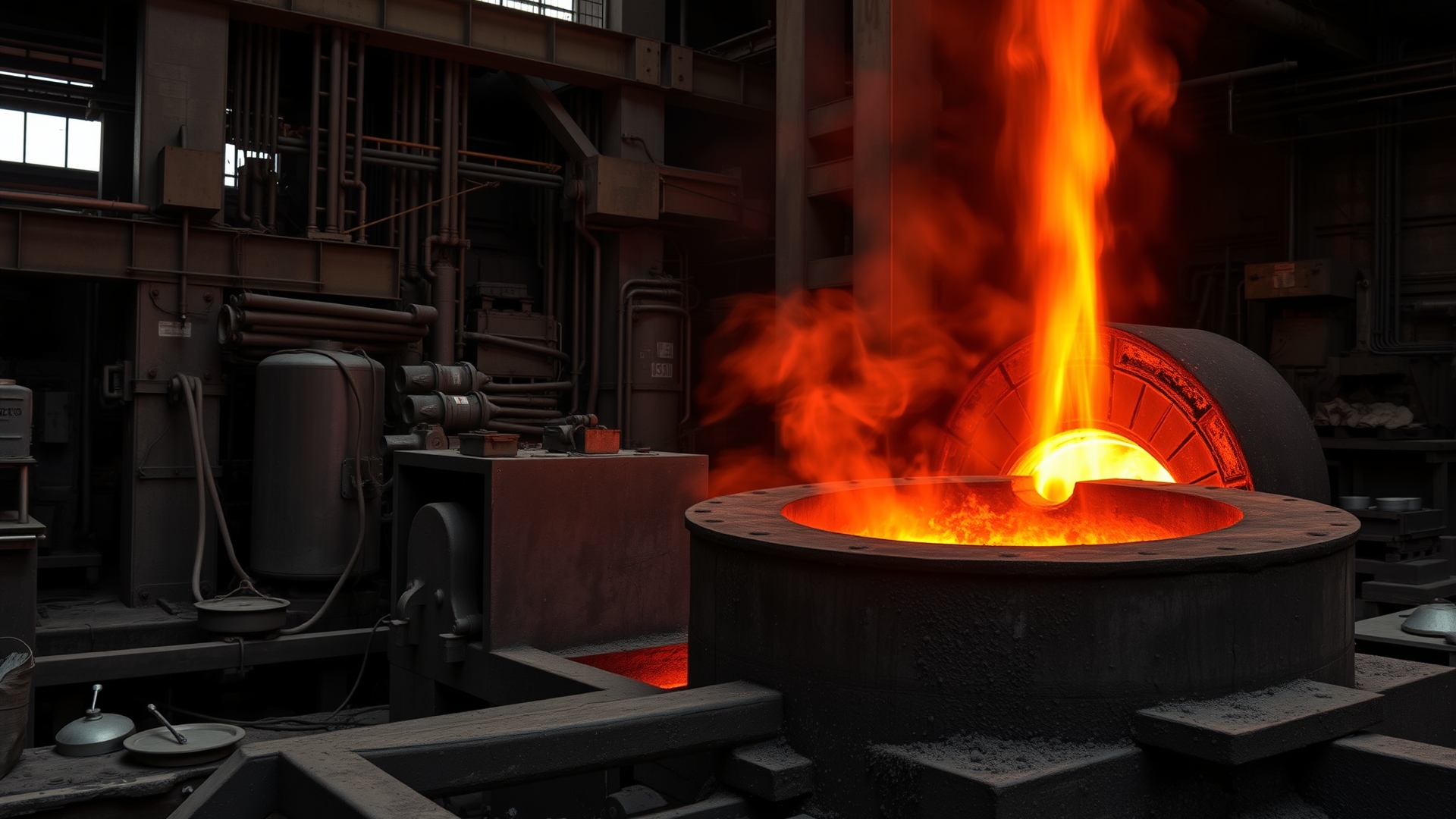
Understanding Mechanical Strength in Steel Castings
Mechanical strength refers to a material’s ability to withstand applied forces without deformation or failure. In steel castings, this property depends on microstructure, chemical composition, and manufacturing parameters. According to the ISO 69487 standard for steel casting specifications, manufacturers must control multiple variables to achieve consistent mechanical properties. The relationship between microstructure and strength follows established metallurgical principles that guide process optimization.
Steel castings serve critical applications in pressure vessels, marine hardware, and structural components. Our stainless steel pressure cooker parts demonstrate how precision casting achieves the strength requirements for safety-critical applications. Different steel grades offer varying strength characteristics, making material selection fundamental to performance.
Key Factors Affecting Mechanical Strength
Several interconnected factors determine the final mechanical strength of steel castings. Chemical composition provides the foundation, while processing techniques shape the microstructure. Temperature control during solidification affects grain structure and, consequently, strength properties. Understanding these relationships enables systematic improvement of casting quality.
The primary factors include:
- Carbon content and alloying element proportions
- Cooling rate during solidification
- Heat treatment procedures
- Casting defect prevention
- Mold material selection
Optimizing Heat Treatment Processes
Heat treatment represents the most effective method for improving mechanical strength in steel castings. Controlled heating and cooling cycles modify the microstructure to achieve desired hardness and toughness combinations. Quenching and tempering processes create martensitic structures with high tensile strength, while annealing produces softer, more machinable materials.
Austenitizing temperature and holding time significantly impact the uniformity of heat treatment results. Our investment casting clamp base components undergo systematic heat treatment to achieve specified mechanical properties. Rapid cooling from austenitizing temperature followed by controlled tempering produces consistent results across production batches.
Alloy Composition Enhancement Strategies
Strategic addition of alloying elements strengthens steel castings by improving hardenability and creating resistant microstructures. Chromium, nickel, molybdenum, and vanadium form hard carbides that resist deformation under load. Manganese increases hardenability, allowing thicker sections to achieve uniform properties throughout the casting.
The selection of alloying elements depends on application requirements. Marine environments demand corrosion resistance alongside strength, as demonstrated by our mirror polished marine cruise ship parts. Balancing strength with other properties requires careful material design and process control.
Casting Technique Improvements
Modern casting techniques minimize defects that compromise mechanical strength. Investment casting produces components with superior surface finish and dimensional accuracy, reducing stress concentrations that lead to failure. Water glass casting, as used for our water glass casting weighing hook products, offers excellent dimensional control for applications requiring precise specifications.
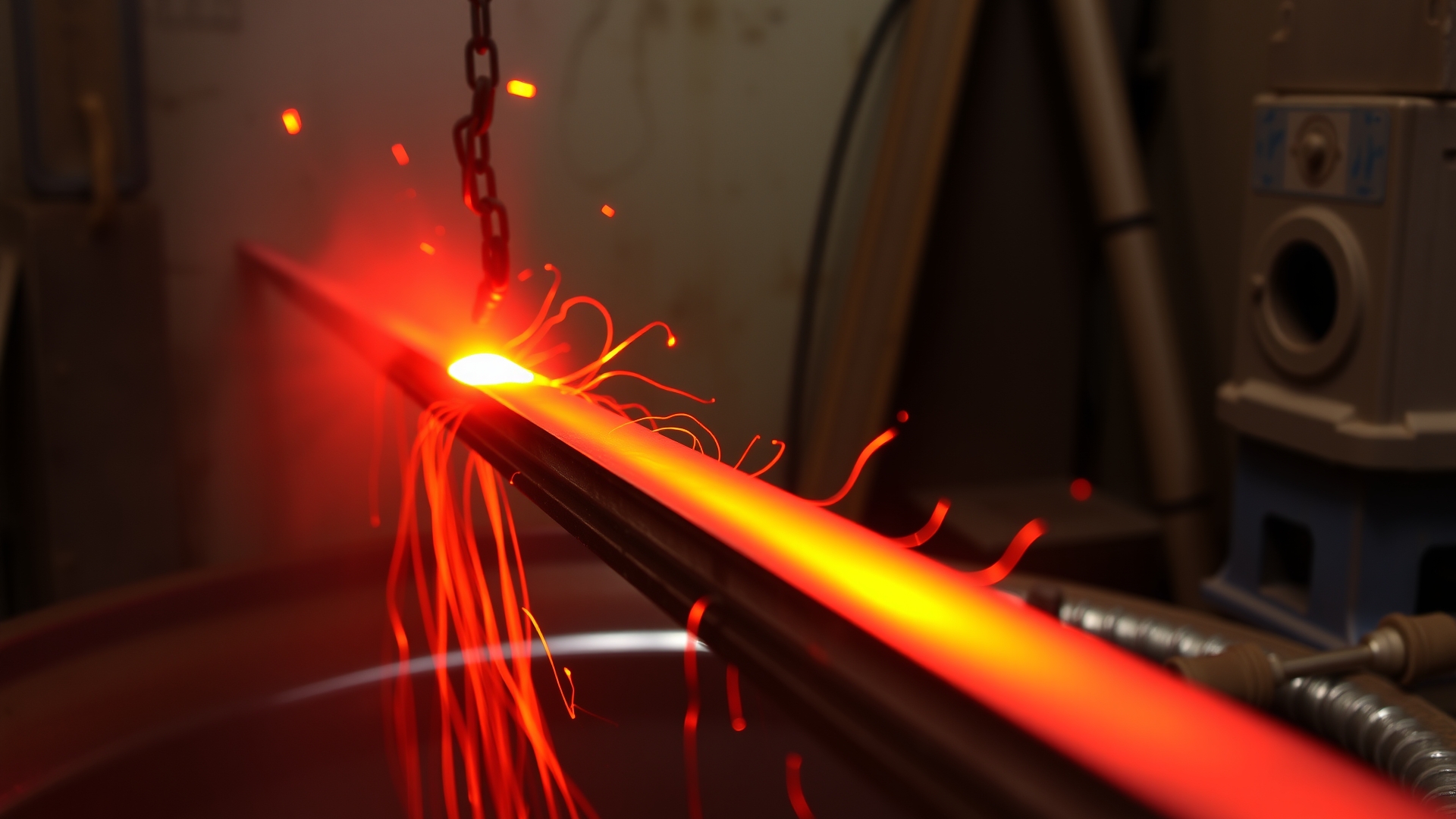
Solidification control prevents hot tearing and shrinkage porosity that weaken castings. Progressive solidification from thin to thick sections allows proper feeding of shrinkage cavities. Chilled molds accelerate cooling in critical areas, refining grain structure where strength requirements are highest.
Quality Control and Testing Methods
Comprehensive testing verifies that steel castings meet mechanical strength requirements. Destructive testing provides direct measurement of tensile strength, yield strength, and elongation. Non-destructive methods including ultrasonic and radiographic inspection detect internal defects without damaging components.
The NIST ITL Small Business Cybersecurity guidelines recommend documented quality control procedures for manufacturing operations. Implementing systematic inspection protocols ensures consistent product quality and identifies process variations before they affect mechanical properties. Statistical process control tracks key parameters and triggers adjustments when values drift from specifications.
Testing standards specify specimen preparation, testing procedures, and acceptance criteria. Mechanical testing validates that production castings achieve the same properties as qualifying samples. Regular testing frequency depends on criticality and production volume, with critical applications requiring continuous verification.
Comparison of Strength Enhancement Methods
| Method | Strength Increase | Cost Impact | Applications |
|---|---|---|---|
| Quenching and Tempering | High | Medium | Structural, machinery |
| Alloy Addition | Medium-High | High | High-performance |
| Investment Casting | Medium | Medium-High | Precision components |
| Normalizing | Medium | Low | General purpose |
Best Practices for Industrial Applications
Industrial steel casting operations benefit from integrated approaches combining multiple enhancement methods. Material selection should account for service conditions, manufacturing capabilities, and cost constraints. Collaboration between design engineers and foundry specialists optimizes component performance and manufacturability.
Documentation of material specifications and process parameters creates reproducible results. Our galvanized explosion-proof valve body components demonstrate how careful process control achieves both mechanical strength and surface protection requirements. Design for manufacturability reduces downstream quality issues and improves production efficiency.
Environmental considerations influence process selection, with energy-efficient heat treatment methods reducing operational costs. Water quenching systems require careful management to prevent environmental impacts. Alternative methods like accelerated cooling achieve similar results with improved sustainability profiles.
Advanced Materials and Future Directions
Emerging materials and processing technologies offer new possibilities for mechanical strength enhancement. High-entropy alloys combine multiple principal elements to create unique microstructures with exceptional properties. Additive manufacturing enables lattice structures that maximize strength-to-weight ratios for specialized applications.
Computational materials science accelerates development of new steel grades with optimized compositions. Simulation tools predict microstructure evolution during processing, reducing experimental development time. Our alloy steel curtain bracket products benefit from continuous material development that improves strength while maintaining cost competitiveness.
Digital twin technology creates virtual replicas of casting processes, enabling real-time optimization and defect prediction. Integration of sensors and data analytics improves process control and reduces variability in mechanical properties. These advances support Industry 4.0 manufacturing goals while maintaining focus on fundamental metallurgical principles.
Summary and Recommendations
Improving mechanical strength in steel castings requires systematic attention to material selection, process control, and quality verification. Heat treatment remains the most effective single method for enhancing strength properties, while alloy optimization provides baseline improvements. Modern casting techniques like investment casting produce components with minimal defects and consistent properties.
Quality control procedures ensure that production castings meet specifications consistently. Regular testing and documentation create accountability and enable continuous improvement. Manufacturers should evaluate their specific applications to determine the most cost-effective combination of enhancement methods.
Frequently Asked Questions
What heat treatment process provides the highest mechanical strength in steel castings?
Quenching and tempering produces the highest tensile strength in steel castings by creating a martensitic microstructure. The specific temperature and cooling rate depend on steel composition and section thickness. Proper tempering after quenching relieves internal stresses and achieves the desired balance between hardness and toughness.
How does carbon content affect the strength of steel castings?
Higher carbon content increases hardness and tensile strength but reduces ductility and weldability. Most steel castings contain 0.15% to 0.50% carbon, with low-carbon steels offering better formability and high-carbon variants providing superior wear resistance. The optimal carbon level depends on application requirements and processing constraints.
What defects most commonly reduce mechanical strength in steel castings?
Shrinkage porosity, hot tears, and inclusions represent the most common defects that compromise strength. These discontinuities create stress concentrations that initiate fracture under load. Proper gating and risering design, controlled solidification, and molten metal filtration minimize defect formation during casting production.
How does cooling rate influence grain structure and strength?
Rapid cooling produces fine grain structures with higher strength and toughness compared to slow cooling. Controlled cooling rates during solidification and heat treatment optimize microstructure for specific property requirements. Quenching from elevated temperature maximizes cooling rate for martensitic transformation.
What testing methods verify mechanical strength in steel castings?
Tensile testing measures ultimate tensile strength, yield strength, and elongation. Impact testing evaluates toughness using Charpy or Izod methods. Hardness testing provides rapid property assessment through Brinell, Rockwell, or Vickers methods. Non-destructive testing including ultrasonic, radiographic, and magnetic particle inspection detects internal and surface defects.